
HealifyNow provides some of the services discussed in this article. Our content is written to inform, and clinical decisions are always made by a licensed clinician.
Persistent skin itching can disrupt your life, sleep, and daytime concentration. While creams and antihistamines may not solve the problem, you may eventually ask whether a deficiency is involved.
A reasonable question, in view of the fact that some types of nutrient deficiencies are associated with skin itching, yet the situation is much more complex than many articles on the Internet suggest. The following information will address the deficiencies that may cause itching, those that are not so, other common causes, and ways to find out the reason.
What Is Itchy Skin (Pruritus)?
The official name of the condition is pruritus. Depending on the location of the symptom, it can be localized or generalized (with or without accompanying rash). It is customary for doctors to consider itching chronic when it persists for six weeks or longer.
In general, persistent itching is considered benign, and most cases are associated with dry skin, allergy, or irritation. However, persistent itching can also indicate an underlying issue, so it is worth paying attention.
Which Deficiencies Can Cause Itchy Skin?
Let’s go through the main suspects, starting with the strongest evidence.
1. Iron Deficiency (the Best-Established Link)
The most common nutritional deficiency that causes itching is iron deficiency, either with or without anemia. Individuals with iron-deficiency anemia can have itchy skin that becomes red and sore upon scratching. It is possible for itching to occur even prior to the appearance of anemia in a complete blood count test.
Other signs of low iron include:
- Fatigue and weakness
- Pale skin
- Brittle nails or hair thinning
- Shortness of breath or a racing heart
- Restless legs
- Cracks at the corners of the mouth
Common reasons are heavy periods, pregnancy, poor iron consumption, gastrointestinal disorders such as celiac disease, and excessive blood loss. Male patients and postmenopausal women with poor iron status must always be examined for concealed blood loss.
2. Vitamin D Deficiency (Linked, but the Evidence Is Mixed)
Vitamin D deficiency is a common observation in patients with xerosis, eczema, and chronic itching. Vitamin D helps to modulate the immune and inflammatory responses in the skin. A number of studies indicate that supplementation with vitamin D may reduce itching and inflammation in patients with vitamin D deficiency.
However, evidence from some studies is not conclusive. Vitamin D deficiency is quite common in many people, and its presence does not necessarily mean that it is causing your problem. Consider it one of the possibilities.
3. Vitamin B12 Deficiency
Vitamin B12 helps in maintaining healthy nerves and healthy red blood cells. Vitamin B12 deficiency may cause:
- Feeling tired and weak
- Tingling or numbness in hands and feet
- A smooth and tender tongue
- Changes in memory and mood
- Skin darkening (hyperpigmentation), especially on the hands and feet
Rashes and itching have been observed in vitamin B12 deficiency but are not as common as the above-mentioned symptoms. In case you have itchy skin, along with any of the above-mentioned symptoms, you should consider having your vitamin B12 tested.
4. Zinc Deficiency
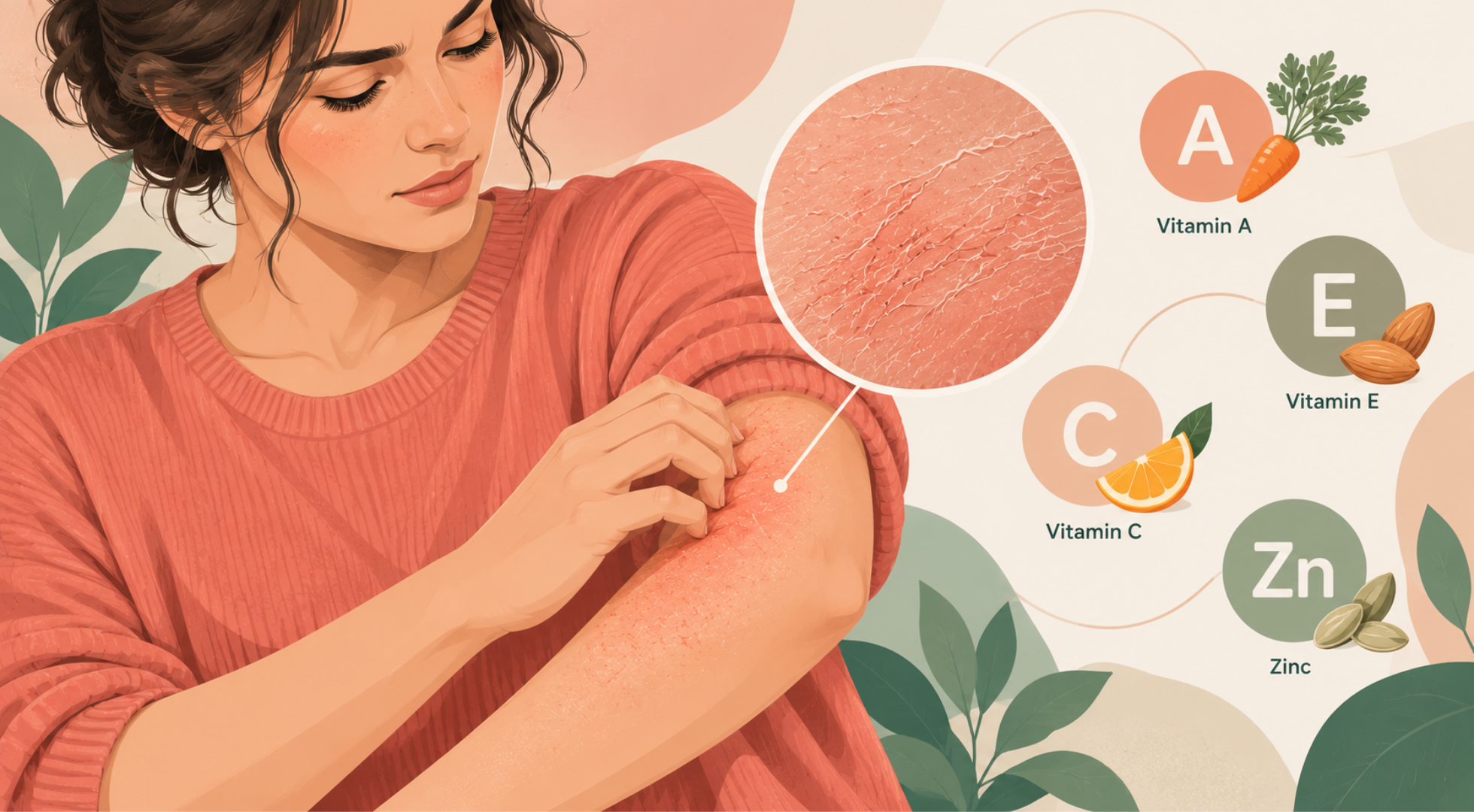
Zinc plays an essential role in repairing the skin and maintaining proper functioning of the immune system. A severe deficiency of zinc will result in a rash that is red and scaly, occasionally itchy, appearing at the mouth, hands, feet, and groin area; slow wound healing, hair loss, and susceptibility to infections. Zinc deficiency is uncommon among healthy individuals but can be seen in individuals with malabsorption syndrome, alcoholism, or restrictive diets.
5. Vitamin A Deficiency
Vitamin A aids in the renewal of skin cells and maintaining the integrity of the skin. The deficiency leads to extremely dry and rough skin and bumps that appear on hair follicles. It is a rare occurrence in developed nations due to its high availability and can happen due to fat malabsorption or poor diets.
6. Essential Fatty Acid Deficiency
Essential fatty acids aid in the maintenance of the skin barrier. A deficiency is quite uncommon but may lead to dry, flaky, and itchy skin.
7. Niacin (Vitamin B3) Deficiency
Severe niacin deficiency causes pellagra, which includes a red, rough, itchy or burning rash on sun-exposed skin, along with digestive and neurological symptoms. It’s now rare but can occur with alcohol use disorder, malnutrition, or malabsorption.
Quick Reference: Nutrient Gaps and Skin Clues
| Deficiency | Skin Clues | Other Common Signs |
|---|---|---|
| Iron | Generalized itching, pallor | Fatigue, hair loss, brittle nails |
| Vitamin D | Dry, itchy, inflamed skin | Low mood, bone or muscle aches |
| Vitamin B12 | Itching, darker patches | Tingling, fatigue, sore tongue |
| Zinc | Red, scaly rash near mouth, hands, or feet | Slow healing, frequent infections |
| Vitamin A | Very dry, rough, bumpy skin | Night vision problems |
| Essential Fatty Acids | Dry, scaly skin | Dull hair, slow healing |
| Niacin (B3) | Sun-exposed, itchy or burning rash | Diarrhea, confusion |
Important: A Deficiency Is Often NOT the Cause
Now comes the information that many lists online omit. Most cases of chronic itch are not due to a lack of vitamins. Other causes of chronic itch more frequently include:
- Dry skin (xerosis), particularly in winter, from taking hot baths, or with age
- Eczema, psoriasis, or contact dermatitis
- Allergies or adverse effects of drugs (opioids, certain hypertension drugs, statins, or antibiotics can cause itch)
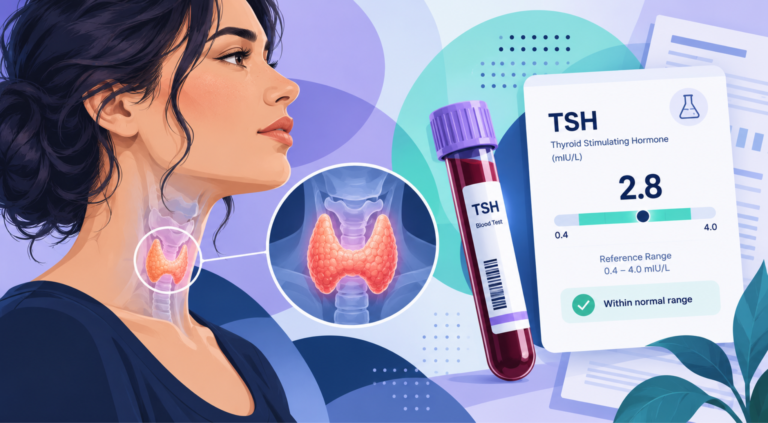
- Thyroid conditions, whether hypothyroidism or hyperthyroidism
- Kidney disease, which is actually a common cause of generalized itch
- Liver or biliary system disease, which usually results in very severe itching, particularly of the palms and soles
- Diabetes
- Hormone imbalance like perimenopause and menopause, since the drop in estrogen level makes the skin dry and itchy
- Infections and infestations (scabies and other parasitic and fungal infections)
- Psychological factors such as stress, anxiety, and lack of sleep, which can make the itch worse
- Rarely, blood disorders or cancer (including certain types of lymphoma)
This is why a careful assessment is better than speculation. Taking vitamins for the wrong problem will not solve anything, and large quantities of certain vitamins (A, zinc, iron) may be dangerous.
Itching Without a Rash: What Could It Mean?
Pruritus without any rash requires closer consideration because although the appearance of the skin is normal, something could be occurring internally.
These may include iron deficiency, thyroid disorders, problems with the kidneys or liver, diabetes, reaction to medicines, nerve disorders, and hormone changes.
This is a very frequent reason why patients require blood tests like CBC, ferritin, kidney and liver tests, thyroid function test, glucose test, and vitamin D and B12.
When to See a Clinician
Don’t wait it out if you have:
- Itching lasting more than two to six weeks without a clear cause
- Itching that interferes with sleep or daily life
- Yellowing of the skin or eyes, dark urine, or pale stools
- Unexplained weight loss, night sweats, or fever
- Extreme fatigue, pallor, or shortness of breath
- Swollen glands
- Numbness, tingling, or muscle weakness
- A sudden rash with swelling of the face, lips, or trouble breathing (seek emergency care immediately)
How Doctors Find the Cause
A good evaluation typically includes:
- A review of your symptoms and history, including medications, diet, and recent changes
- A skin exam to look for rashes, dryness, or signs of scratching
- Blood tests to check for nutrient levels and underlying conditions
Testing is the only way to know if a deficiency is really present. At HealifyNow, you can order comprehensive lab panels or biomarker testing (from $199) online, get drawn at a location near you, and have a licensed clinician review and explain your results. Prices are published, and no insurance is needed.
What to Do If a Deficiency Is Confirmed
Treatment will depend solely on whatever is low and should be determined by a physician.
- Iron: Iron supplementation is usually recommended orally, along with addressing the cause of its deficiency, with plant foods and vitamin C increasing its absorption rate.
- Vitamin D: This supplementation will depend on your blood levels and sunlight exposure.
- Vitamin B12: It depends on the cause of the deficiency; it will be treated through supplementation or injections. If you are recommended B12 injections, this is one way of treating low B12 levels.
- Zinc, vitamin A, etc.: They need to be administered with care because an overdose is harmful.
Test again after a few months to determine if your levels have improved.
Everyday Tips to Calm Itchy Skin
These measures may be helpful while working on the root cause of your problem:
- Apply moisturizer regularly, preferably immediately after taking a lukewarm bath, using a fragrance-free lotion or ointment
- Do not take long, hot baths or use strong soap
- Wear loose and soft clothing like cotton
- Use a humidifier during dry climate
- Trim nails to avoid damage due to scratching
- Use cool compresses on the itchy areas
- Control stress, which may worsen itchiness
- Avoid scratching wherever possible, as it aggravates the itchiness
Hormones and Itchy Skin
Itching may become worse or even occur for the first time during perimenopause and menopause due to decreased estrogen levels that lead to dry skin and lower collagen production. If this describes you, then hormone tests might be a solution to consider. Discover more about perimenopause treatments and HRT for women on HealifyNow, where the therapy will be lab-directed and agreed upon by a licensed clinician.
Get Answers With a Free Consultation
Your guess as to what vitamin you lack can lead to months of fruitless treatment, while the actual cause can be something totally different. Get matched with a licensed U.S. clinician via video and phone consultations from HealifyNow, with no consultation fee and not even the need for a credit card.
Book a free consultation with HealifyNow to start finding out why your skin itches.
The Bottom Line
Thus, which deficiency triggers itching? The iron deficiency tops the list, and then come vitamin D, B12, zinc, vitamin A, essential fatty acids, and niacin in certain cases. Deficiencies are only potential causes, though they may not be the main ones. Among other frequent causes are dry skin, thyroid or kidney diseases, some drugs, hormonal changes, and skin disorders.
In case of persistent itchiness, avoid self-treatment and taking large amounts of vitamins; get yourself examined and treated by a specialist.
Frequently Asked Questions (FAQs)
1. What vitamin deficiency causes itching all over the body?
Iron deficiency has the strongest link to generalized itching, and low vitamin D or B12 may contribute. However, kidney, liver, thyroid, and skin conditions are often the real cause, so blood testing is the best way to know.
2. Can low vitamin D cause itchy skin?
It can contribute, since vitamin D helps regulate skin inflammation and immunity, and low levels are common in people with dry or eczema-prone skin. Studies are mixed, so a blood test is needed before assuming it’s the cause.
3. Can a B12 deficiency cause itching?
Itching has been reported, but it’s less typical than fatigue, tingling, a sore tongue, or darker skin patches. If you have itching plus those symptoms, ask your clinician to check your B12 level.
4. Why am I itchy all over but have no rash?
Itching without a rash may result from low iron levels, thyroid issues, kidney or liver problems, diabetes, side effects of medications, or hormonal imbalance. In case it persists for over a few weeks, make sure to run blood tests and undergo clinical examination.
5. Should I take supplements for itchy skin without testing?
It is better not to do that. Supplements will be ineffective if you are not deficient in something, and taking excess vitamin A, zinc, or iron may cause some health problems. Running tests will reveal everything you need.
6. Can I get lab tests for itching done online?
Yes. HealifyNow provides online lab tests evaluated by licensed clinicians in the U.S., and the first consultation is free of charge.