
HealifyNow provides some of the services discussed in this article. Our content is written to inform, and clinical decisions are always made by a licensed clinician.
In people’s minds, service dogs will always be Labs and Retrievers. What about a dog weighing four to seven pounds? Yorkies are spirited, intelligent, and extremely attached to their owners, and thus it is a reasonable question.
Short answer: Yes, a Yorkie can be a service dog as long as it is individually trained to help its owner with tasks because of a disability. This guide will explain what the law states about the issue, what Yorkies are allowed to do and not do, and how to determine if a Yorkie service dog or an ESA is the best choice for you.
Can a Yorkshire Terrier Be a Service Dog?
A service animal, according to the Americans with Disabilities Act (ADA), is an individually trained dog that helps a person with disabilities perform certain tasks or work. The law doesn’t specify the breed list, minimum size, or weight restrictions. Consequently, any Yorkie has the same rights as any German Shepherd.
What matters is:
- The handler has a disability as defined by the ADA
- The dog is trained to perform specific tasks related to that disability
- The dog is housebroken and under the handler’s control
The real question isn’t whether the breed is allowed. It’s whether a particular Yorkie has the temperament, health, and trainability for reliable service work.
What Tasks Can a Yorkie Service Dog Perform?
The Yorkie will perform well with tasks that require lightness and alertness. Examples of tasks suitable for the Yorkie include:
- Medical alerts for seizures and changes in blood sugar levels when the dog is trained to do so
- Psychiatric tasks, including the interruption of panic attacks, anxiety episodes, or repetitive actions
- Application of deep pressure on laps and chests when there is distress
- Interrupting a handler’s nightmare
- Fetching a small item such as a mobile phone, medicine bag, or keys
- Providing alerts to sounds for the hard-of-hearing or deaf handler, including doorbells, alarms, and the handler’s voice
- Medication reminders where the dog will nudge the handler at a specific time.
Note that according to the ADA, comfort or emotional support by just being present is not a task. The dog needs to be trained to do something regarding the handler’s disability.
How Does a Yorkie’s Small Size Affect Service Work?
Size: an advantage and disadvantage.
Disadvantages. The average weight of a Yorkie is between four and seven pounds. Therefore, it cannot:
- Provide bracing and balance assistance
- Tow a wheelchair
- Assist with stability or stand up from sitting
- Open heavy doors or fetch heavy objects
Advantages. The size of the dog also gives some advantages:
- Ease of transport and ability to fit in narrow areas
- Inconspicuousness in crowded places
- Reduced costs of food, equipment, and transportation
- A small dog can stay near the legs or on the lap of the owner, which allows it to work with alert and pressure.
For people who need alert or psychiatric assistance, a small dog is an excellent choice. If the person needs physical assistance, he/she should choose a larger dog.
Yorkie Temperament and Trainability
Yorkies are smart, confident, and affectionate, and generally form strong bonds with one individual. These qualities make them well-suited for service tasks. However, there are some drawbacks:
- Barking. Yorkies can bark quite a lot, which is not desirable in a quiet public environment.
- Boldness. Terriers’ confident behavior can become stubbornness and aggression toward other animals.
- Separation anxiety. Excessive clinginess makes them hard to train when being separated from their owner.
- Sensitivity. Some Yorkies get scared by noise and crowds.
Not all Yorkies are right for public access jobs. A perfect dog is a calm, focused, people-friendly animal that is not bothered by crowds, noise, and other animals. A reactive or an anxious dog is not a good choice even if it is a smart one.
Yorkie Service Dog vs. Emotional Support Animal vs. Therapy Dog
These roles are often confused, but the law treats them very differently.
| Feature | Service Dog | Emotional Support Animal (ESA) | Therapy Dog |
|---|---|---|---|
| Training Requirements | Task-trained | Not required to perform specific tasks | Temperament-tested |
| Purpose | Performs tasks for one person with a disability | Provides comfort through companionship | Provides comfort to multiple people |
| ADA Public Access | Yes, where permitted by law | No | No |
| Housing Protection | May qualify under the Fair Housing Act (FHA) | May qualify under the Fair Housing Act (FHA) | Generally no special protection |
Many people love their Yorkies for comfort but don’t need a dog that performs trained tasks. In that case, the Yorkie might be an emotional support animal (ESA). An ESA doesn’t have public access rights, but it can be protected in housing under the Fair Housing Act. If you’re exploring that route, a letter from a licensed healthcare professional is the key document. You can learn more at Healify Now’s ESA Letter page.
How to Train a Yorkshire Terrier Service Dog
The training process involves the same phases as those for any breed but tailored specifically for a small dog:
- Early socialization. Socialize the puppy with various people, environments, surfaces, and sounds.
- Basic obedience. Teach basic commands such as sit, stay, down, come, loose leash walking, and settling.
- Public access training. Train the dog to remain quiet, not react to food, and maintain focus in stores, elevators, and restaurants.
- Task training. Train the particular response or behavior related to your disability.
- Proofing. Train in challenging environments where there are distractions.
According to the ADA, you can train your service dog by yourself. However, many people prefer to use a professional dog trainer who will advise on how to train your dog, particularly in task training and public access training.
Do You Need to Register a Yorkie Service Dog?
No. Registration, certification, wearing an identification badge, or a vest are not required under the ADA, nor can they be demanded by the business. In cases where it is not clear that your dog is a service animal, the business can only ask you two questions:
- Is the dog a service animal because of a disability?
- What specific task has the dog been trained to do?
Since Yorkies are small dogs that look like pets, sometimes you may be asked a few more questions than necessary. Being firm in your responses and keeping the dog well-behaved are your best methods.
Legal Rights and Access for a Yorkie Service Dog
However, the law protects a trained Yorkie service dog as any other service dog in the following manner:
- Access to public places: Access to establishments open to the general public under the ADA
- Housing: Covered by the Fair Housing Act, where a landlord that approve an accommodation generally do not (depending on state law) charge for pets or have restrictions on them
- Travel: According to regulations by the U.S. Department of Transportation, a trained service dog should be able to accompany a handler in the
- cabin, and the only requirement will be a DOT form. This dog should fit within the handler’s foot or lap and behave properly.
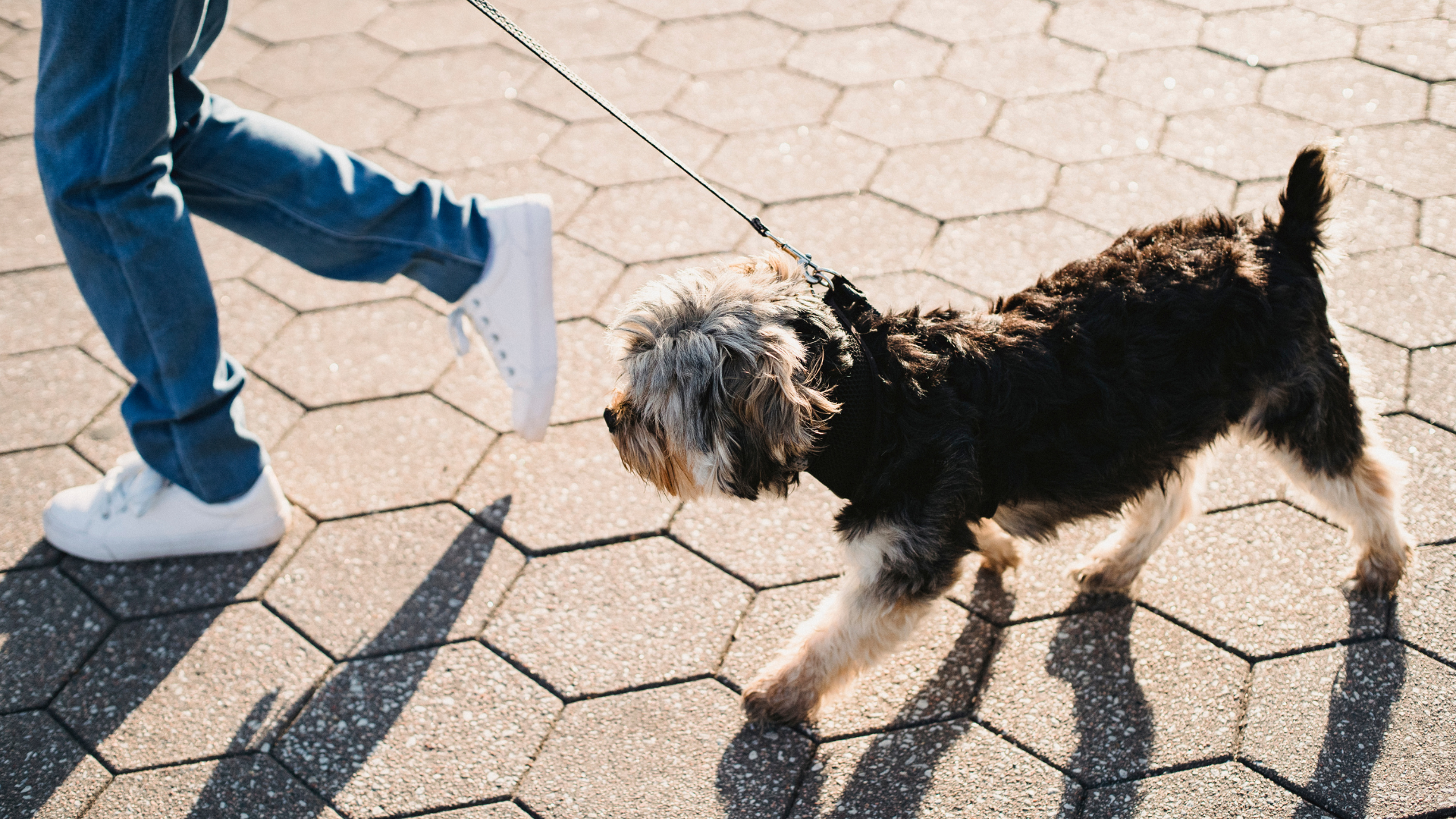
This dog should be house-trained and controlled via a leash, harness, or tether. A business may request removal of a dog that is out of control.
Best Living Situations for a Yorkie Service Dog
A Yorkie can thrive with handlers who:
- Need alert, retrieval, or psychiatric support instead of physical bracing
- Live in an apartment or smaller home
- Travel often or need a portable partner
- Want a lower-cost, lower-maintenance service dog option
A Yorkie may be less suitable for homes with very young children or large, rowdy dogs, where the small, delicate dog could be injured.
Health and Lifespan Considerations
Working lifespan for Yorkies ranges from 12 to 15 years; hence, they have a fairly long lifespan as far as the working life is concerned. However, some factors that may affect the ability of Yorkies to work successfully include:
- Dental issues, which are fairly common among small breeds.
- Patellar luxation, which is an issue with the dog’s kneecap.
- Tracheal sensitivities that make the use of a harness more appropriate compared to a collar.
- Hypoglycemia, especially for very tiny puppies.
- Fatigue on long trips due to their size.
Health care, weight maintenance, and breaks during long trips make a working Yorkie much more productive.
Socializing a Yorkie for Public Access
The service dog should remain calm and attentive even in a crowded environment. It should be trained by exposing it to crowds, carts, kids, other dogs, noise, and various floors. Reward him for remaining calm and teach him not to bark by doing this early enough. What we want is a dog that is able to sit quietly at the table, ignore distractions, and be alert to us.
Grooming a Yorkshire Terrier Service Dog
Yorkie’s coat is silky, and this makes it necessary for him to groom himself frequently. The coat of the working Yorkies is usually maintained at a puppy cut for convenience. Regular brushing prevents tangling of the hair, keeps the hair out of the dog’s eyes, trims his feet and other areas, and also ensures that his nails and teeth are well groomed.
Key Takeaways
- The ADA sets no breed or size limit, so a Yorkie can be a service dog.
- The dog must be individually trained to perform tasks related to your disability.
- Yorkies suit alert, retrieval, and psychiatric tasks, but not mobility or bracing work.
- Temperament matters more than breed, and not every Yorkie is suited for service work.
- Registration and vests aren’t required, and they don’t create legal rights.
- An untrained Yorkie that offers comfort may be an ESA, which is protected in housing but not in public places.
Final Thoughts
A Yorkshire Terrier can make a capable and charming service dog for the right handler and the right task. Be honest about your needs, choose a calm and confident dog, and invest in solid training. And if your Yorkie’s role is mainly comfort, an ESA letter may be the better path for housing protection. Learn more at Healify Now’s ESA Letter page.
Frequently Asked Questions
1. Can a Yorkshire Terrier be a service dog?
Yes. The ADA has no breed or size restrictions. A Yorkie qualifies if it is individually trained to perform tasks directly related to its handler’s disability.
2. What tasks can a Yorkie service dog perform?
Medical alerts, psychiatric interruption, deep pressure therapy, retrieving small items, sound alerts, and waking a handler from nightmares. Its size rules out bracing or mobility support.
3. Is a Yorkie too small to be a service dog?
Not for alert, retrieval, or psychiatric tasks. It’s too small only for jobs that depend on body weight, such as bracing, balance support, or pulling a wheelchair.
4. Do I need to register my Yorkie service dog?
No. There is no requirement for any kind of registration, certification, identification, or vest for an ADA service animal. Only two questions may be asked about its function and training.
5. Can a Yorkie be an emotional support animal instead?
Yes. An untrained Yorkie that is used solely for comfort qualifies as an ESA. An ESA is protected in housing but not public access as a service animal.
6. Can a Yorkie service dog fly in the cabin?
Yes. Service dogs are permitted to fly in the cabin according to DOT regulations, with the necessary form filled out. The dog should be small enough to sit on your lap.