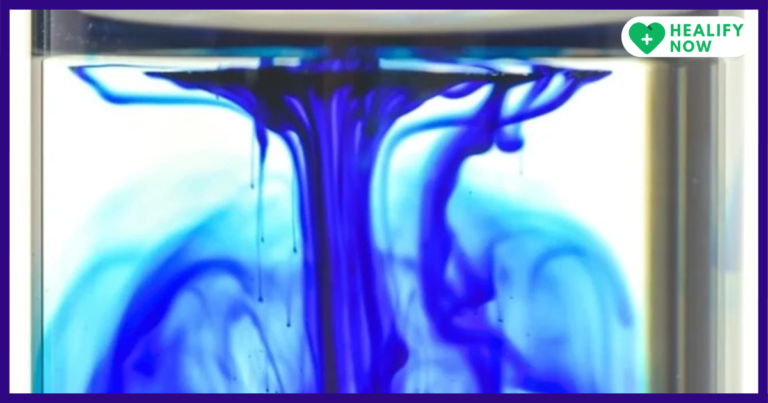


Understanding how methylene blue works requires understanding one core chemical property: its ability to shift between an oxidized (blue) and reduced (colorless) state. This single trait explains nearly everything about its medical uses, its staining properties, and even its unusual dose-dependent behavior.
The Core Mechanism: Redox Cycling
Methylene blue is a redox-active compound, meaning it can both accept electrons (becoming “reduced,” turning colorless as leucomethylene blue) and donate electrons (becoming “oxidized,” turning back to its characteristic blue color). This cycling ability is what allows it to interact with numerous biological systems:
- It can accept electrons from NADPH via an enzyme pathway and then donate those electrons to convert methemoglobin back into functional hemoglobin.
- It can act as an alternative electron carrier in the mitochondrial electron transport chain, effectively creating a bypass route when normal electron flow is impaired.
- It can generate reactive oxygen species when exposed to light, which underlies its investigational use in photodynamic therapy research.
- It binds to negatively charged cellular structures like DNA and RNA, explaining its usefulness as a laboratory and diagnostic stain.
How It Reverses Methemoglobinemia
In red blood cells, methylene blue is reduced to leucomethylene blue by the enzyme NADPH-methemoglobin reductase. Leucomethylene blue then directly reduces methemoglobin (iron in the ferric, Fe3+ state) back to normal hemoglobin (iron in the ferrous, Fe2+ state), restoring the blood’s capacity to bind and transport oxygen.
This is a well-established, well-understood mechanism, one reason methylene blue remains the standard treatment for acquired methemoglobinemia.
Why It’s a Potent MAOI
Methylene blue inhibits monoamine oxidase A (MAO-A), an enzyme responsible for breaking down serotonin in the brain. This is a well-documented mechanism, and it’s the reason combining methylene blue with SSRIs, SNRIs, or other serotonergic drugs can cause a dangerous buildup of serotonin, serotonin syndrome.
Why Dose Changes Everything
One of the more scientifically interesting (and practically important) aspects of methylene blue’s mechanism is that its effects can differ, sometimes dramatically, based on concentration:
- At low doses, research suggests it may support mitochondrial electron transport and reduce oxidative stress in certain lab models.
- At high doses, it can itself act as an oxidizing agent, potentially causing methemoglobinemia (the opposite of its intended treatment effect) and increasing oxidative stress rather than reducing it.
This dose-dependent, sometimes paradoxical behavior is a major reason clinicians calculate dosing carefully rather than following a blanket recommendation, and why casual self-dosing based on online anecdotes is discouraged.
How It Works as a Stain and Dye
Because methylene blue carries a positive charge in solution, it’s attracted to negatively charged molecules like DNA, RNA, and certain cell wall components.
This electrochemical attraction is what makes it bind so effectively to cell nuclei and bacterial structures, producing the vivid blue staining used in microbiology and histology.
How It Works in Fish and Aquatic Settings
The same redox and antimicrobial properties apply in aquariums: methylene blue interferes with fungal and certain parasitic organisms’ cellular processes, while also helping affected fish process methemoglobin caused by nitrite toxicity, mechanistically similar to its human medical use.
Bottom Line
Methylene blue’s remarkable versatility across medicine, diagnostics, and aquatics traces back to one elegant chemical property: its ability to cycle between oxidized and reduced states. That same mechanism, however, is also why its effects are so dose- and context-dependent, and why professional guidance matters for any medical use.
Frequently Asked Questions
Is methylene blue an antioxidant or a pro-oxidant?
It can act as either, depending on dose and biological context, a nuance that’s often oversimplified in popular discussions.
Why does methylene blue interact with antidepressants?
Because it inhibits monoamine oxidase A, an enzyme that breaks down serotonin, leading to potentially dangerous serotonin buildup when combined with serotonergic medications.
Does methylene blue work the same way in every part of the body?
Its core redox chemistry is consistent, but its practical effects vary by tissue, dose, and biological pathway involved.
Why does methylene blue turn urine blue-green?
Because the compound and its metabolites retain pigment as they’re excreted through the kidneys and bile, largely unchanged.
Is the mitochondrial mechanism proven in humans?
The mechanism is well-supported in cell and animal research; human clinical evidence for meaningful day-to-day benefits remains more limited.
Authoritative Sources
- National Center for Biotechnology Information – StatPearls, Methylene Blue: https://www.ncbi.nlm.nih.gov
- U.S. National Library of Medicine, DailyMed: https://dailymed.nlm.nih.gov
- National Institute of General Medical Sciences: https://www.nigms.nih.gov