

HealifyNow provides some of the services discussed in this article. Our content is written to inform, and clinical decisions are always made by a licensed clinician.
Discovering a tick on your dog can be frightening, particularly when you know your dog provides comfort in your everyday life. However, it’s important to know that timely and proper removal will reduce the chances of any complications, and ticks usually don’t cause any problems. What is crucial is the ability to remove the tick properly, take care of the bite, and recognize any possible symptoms requiring a visit to your vet.
The following is an easy-to-follow instruction on how to deal with tick bites on your dog.
Why Ticks Matter
Ticks are parasitic in nature; they suck blood, and they have the capacity to transmit infection-causing pathogens to dogs. Ticks carry different diseases based on their location, which could be as follows:
- Lyme disease
- Ehrlichiosis
- Anaplasmosis
- Rocky Mountain spotted fever
- Babesiosis
The risk of transmission depends on the type of tick, geographical location, and duration of feeding.
How to Remove a Tick From Your Dog

What You’ll Need
- Fine-tipped tweezers or a tick removal tool
- Disposable gloves
- Clean gauze or cotton pads
- Mild soap and warm water, or a vet-approved antiseptic
- A small sealable container or bag
- Treats to keep your dog calm
Step by Step
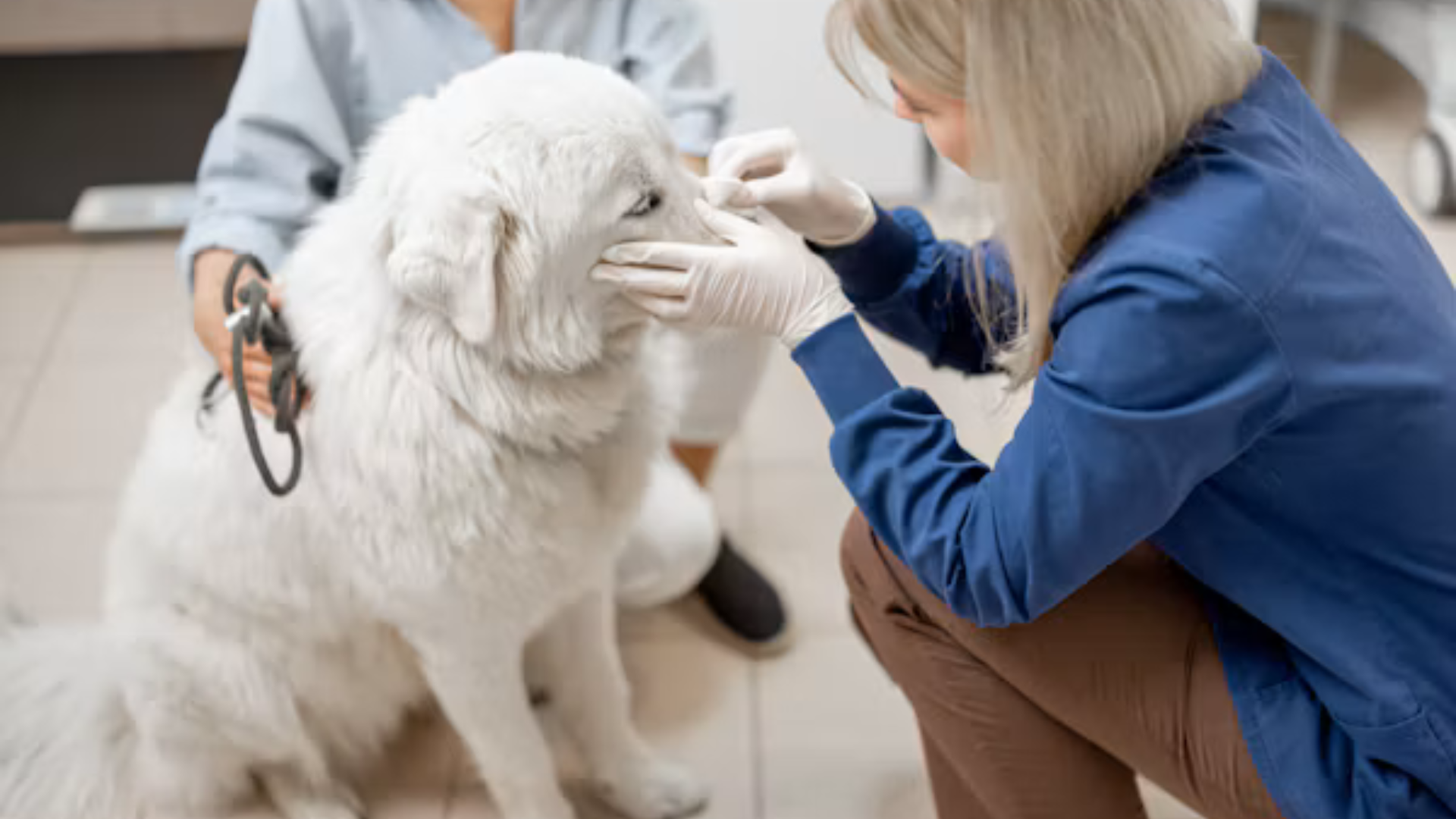
- Don’t panic, and call for assistance if your dog is wriggly. Have someone else carefully hold and comfort your dog.
- Put on gloves for safety.
- Separate the hair to view the tick and the skin under it.
- Grab the tick near the skin and at the mouthparts with a pair of tweezers or a tick extractor tool. Do not squeeze the body.
- Pull upward with gentle force. Avoid twisting, yanking, or squashing the tick.
- Inspect the skin and the tick. See if the mouthparts remain in the skin.
- Gently clean the wound with some mild soap and lukewarm water and dry it.
- Wash your hands and your equipment.
What to Do With the Tick
Seal it in a container or bag, or drop it in rubbing alcohol. Some vets like you to keep it for identification, especially if your dog becomes ill. Write the date on the container. Don’t crush it with your fingers.
What NOT to Do
- Avoid using Vaseline or nail polish, essential oils, or alcohol on the tick because these will not encourage it to release its grasp and will make the problem worse.
- Do not try to burn off the tick with a match.
- Never apply pressure on the tick, as this will inject fluid back into the wound.
- Do not search around too vigorously in the event that some parts of the tick still remain stuck to the pet.
- Do not apply any medicine without consulting your veterinarian.
What If the Head or Mouthparts Stay in the Skin?
Sometimes a small piece remains after removal. It’s usually not an emergency, but:
- Don’t dig. Aggressive digging can injure the skin.
- Keep the area clean and watch it.
- Call your veterinarian if you can’t remove it easily, or if redness, swelling, or discharge develops. Your vet can remove fragments safely.
How to Care for the Bite
Care after the removal procedure is simple:
- Cleanse the area delicately with mild soap and water. Consult with your veterinarian prior to applying any antiseptics.
- Ensure cleanliness and dryness. Apply a cone, if necessary, to prevent licking or scratching.
- Do not apply any creams or ointments unless directed by your veterinarian. Some medications may irritate the skin or be dangerous if ingested.
- Examine the area every day for the following few weeks.
What’s Normal and What’s Not
Normal Reactions
- A small red bump or firm lump at the bite site
- Mild tenderness that improves over several days
- A tiny scab
- These often fade within one to two weeks.
Signs of a Local Infection
Call your vet if you notice:
- Increasing redness, swelling, or warmth after the first couple of days
- Pus or discharge
- A bad smell
- A lump that grows, becomes painful, or doesn’t go away in two weeks
- Constant licking or scratching at the spot
Signs of Tick-Borne Disease
Symptoms can show up days to weeks after a bite, and some dogs show no signs at first. Call your veterinarian if your dog develops:
- Fever
- Lethargy or unusual tiredness
- Loss of appetite
- Limping, joint swelling, or shifting leg lameness
- Swollen lymph nodes
- Vomiting or diarrhea
- Pale gums
- Unusual bruising or bleeding
- Breathing trouble or collapse (seek emergency care)
If your dog has been bitten, tell your vet when and where it happened and whether you saved the tick. They may recommend testing or monitoring based on your region and your dog’s risk.
When to Call Your Veterinarian
Contact your vet:
- If you can’t safely remove the tick or part of it remains
- If your dog has any symptoms of illness after a tick bite
- If the bite looks infected
- If your dog is a puppy, senior, pregnant, or has a health condition
- If you find many ticks on your dog
- If you’re unsure what you’re looking at
Seek emergency care if your dog collapses, has trouble breathing, has severe weakness, or can’t walk.
Is It a Tick or Something Else?
| Feature | Tick | Skin Tag or Wart |
|---|---|---|
| Feel | Hard, round body | Soft, skin-colored |
| Legs | Small legs near the head, if visible | None |
| Change over time | Swells as it feeds | Usually stable |
If you’re not sure, ask your vet. Don’t try to pull something that might be a growth.
How to Prevent Ticks

Prevention is always better than cure.
- Get your veterinarian to recommend a tick preventive for your pet. There are oral tick preventives, spot-on products, and also tick collars. Not all products will give 100 percent protection from ticks, and the best preventive will depend on both your pet and the environment.
- Inspect your dog frequently after spending some time outdoors. This includes running hands over the entire body, including the ears, neck, armpits, groin, belly, base of the tail, and between the toes.
- Maintain a clean environment around the home. Regular mowing, removal of leaf litter, clearing brush, and creation of barriers between the woods and play areas help.
- Stay away from tick-infested places such as tall grass and brush as much as possible.
- Clean bedding often, as well as vacuuming the floors and furniture.
- Ask about the Lyme vaccination if you reside in a risk-prone area.
- Also protect yourself against ticks. Ticks can bite humans as well. Inspect your family members after spending some time outdoors.
Safety tip: Do not use dog tick prevention products on cats unless the manufacturer states clearly that the product is safe for use in cats.
Ticks Are Year-Round in Some Areas
Tick seasons are lengthening in many regions, and in some places ticks can be active in mild winter weather. Check with your veterinarian about whether year-round prevention makes sense where you live.
A Note for ESA Owners
The well-being of your canine is important, especially if they are your ESA, as an unwell animal would not be able to provide you with emotional support. Also, it is important to take regular care of your pet’s well-being by visiting the veterinarian to ensure your dog gets all required vaccinations and treatments.
For those who have some questions about ESA documentation, they could visit the page on Healify Now and connect with the licensed professional online. The letter will help with your accommodation request, but it doesn’t guarantee its success and is not connected to the health of your dog in any way.
Tips for Tick Season
- Start prevention before tick season, or keep it year-round if your vet recommends it.
- Make tick checks part of your routine after every walk.
- Keep tweezers or a tick tool handy, in your car, hiking bag, and home.
- Don’t panic. Calm, careful removal works best.
- Note the date and location of the bite in case symptoms appear later.
- Watch your dog for two to four weeks, and longer if your vet advises.
- Keep your vet’s number and an emergency clinic number saved.
Final Thoughts
If your dog gets bitten by a tick, it should not be an issue to handle if done effectively and safely. The key considerations should include using fine-tip tweezers or special tick tools, pulling straight without twisting the tick out, and consulting your vet when you feel your dog is sick. With proper preventive measures in place, you will enjoy outdoor activities without putting your pet at risk.
Want to learn more about caring for your ESA and protecting your housing rights? Visit Healify Now to explore your options.
Frequently Asked Questions (FAQs)
1. How do I remove a tick from my dog?
Use fine-tipped tweezers or a tick tool to grasp the tick close to the skin and pull straight up with steady pressure. Don’t twist or crush it; then clean the area.
2. What should I do if the tick’s head stays in my dog?
Don’t dig. Keep the area clean and watch it. Call your vet if you can’t remove it easily or if redness, swelling, or discharge develops.
3. How long does a tick bite lump last on a dog?
A small lump often fades within one to two weeks. See your vet if it grows, becomes painful, drains, or doesn’t go away after about two weeks.
4. What are signs of Lyme disease or other tick illness in dogs?
Signs of tick infection include fever, lethargy, lack of appetite, lameness or joint swelling, swollen lymph glands, vomiting, and pale gums. These signs may develop within days or weeks, so contact your vet.
5. Can I put human antibiotic cream on a tick bite?
Consult your vet first. Some human medicines may irritate the skin or be toxic if licked by your pet. Tick bites require no more than careful cleaning.
6. How can I prevent ticks on my dog?
Give your dog tick preventive medicine, conduct regular checks of your dog’s body, maintain your yard in good condition, and discuss Lyme disease vaccination with your vet.