
HealifyNow provides some of the services discussed in this article. Our content is written to inform, and clinical decisions are always made by a licensed clinician.
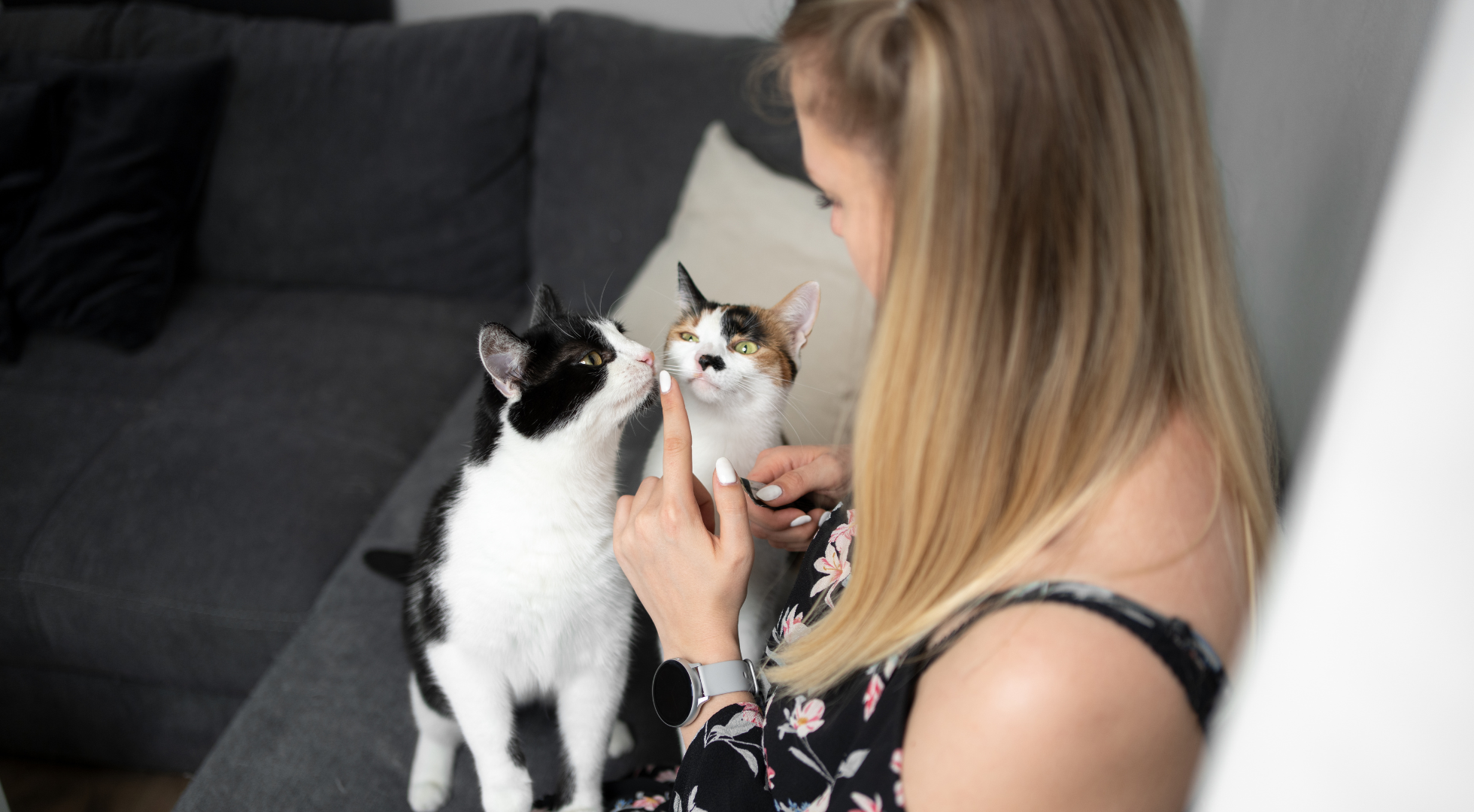
A cat sitting on your lap is enough to relax you after a tough day. If you struggle with anxiety, depression, or some other mental disorder, a cat can become your steady comfort buddy. Many individuals adopt cats as their ESAs because they don’t require walks or any other activities while being very affectionate.
This guide provides information about the best emotional support cat breeds, the factors that should be considered when selecting one, the role of health and grooming, ESA letter requirements, and housing laws in 2026.
Can a Cat Be an Emotional Support Animal?
Yes. Cats are among the most popular ESAs after dogs. There is no need for specific training, so there are no certain breeds to be considered. The main requirement for the animal is that a certified specialist needs to find out that it contributes to easing the symptoms of the patient’s mental/emotional disorder.
The ADA does not recognize any other animals except dogs as service animals and miniature horses. That is why a cat has legal recognition in terms of housing.
Breed Matters Less Than You Think
Breed disposition exists, but the character of the individual is much more important. A cat, even if it is a random or shelter one, can be an ideal ESA. Before getting carried away by a certain breed, remember:
- Disposition can differ among all breeds. Disposition is influenced by early experience, socialization, and the character of the animal.
- There is no such thing as “the best breed for depression” or “the best breed for ADHD”. This is advertising, not science.
- Random-breed and shelter cats can be ideal. The shelter staff can usually inform you about those cats that have a calm disposition and friendly disposition.
- It is easier to predict adult cat disposition rather than that of the kitten.
Take breed profiles as a basis and let the individual characteristics lead you further.
What Makes a Good Emotional Support Cat?
Look for a cat that is:
- Calm and even-tempered
- Affectionate and comfortable being held or petted
- Social with people, including visitors
- Adaptable to changes in routine
- In good health
Also think about your lifestyle:
- Activity level: Do you want a lap cat or a playful companion?
- Grooming: Are you ready for regular brushing?
- Noise: Some breeds are very talkative.
- Allergies: Consider household members and roommates.
- Time away: Some cats handle solitude better than others.
Top Emotional Support Cat Breeds

1. Ragdoll
The name ragdoll was given to them because of their easy-going and friendly nature, as well as their liking for cuddling. They are usually affectionate, easy-going, and calm. Considerations: Medium-long fur that requires regular brushing, and heart disease (hypertrophic cardiomyopathy).
2. Maine Coon
Sometimes referred to as “gentle giants,” Maine Coons are big cats that are very sociable and intelligent. They like following their owners everywhere. They are friendly with families and other pets. Considerations: Thicker fur that requires regular grooming, bigger size, expensive to feed, and a tendency toward heart disease and joint problems.
3. British Shorthair
These strong cats are quiet, easygoing, and usually happy just sitting next to you instead of sitting on your lap. They are independent but not unfriendly. Factors to consider: Some don’t like being picked up and are prone to obesity.
4. Birman
The Birmans are docile, sociable, and affectionate. They have a calm demeanor and a soft, non-matting silky coat that is different from other long-haired breeds. Factors to consider: They don’t like being alone for prolonged periods of time.
5. Siamese
The Siamese cats are extremely people-oriented and affectionate. If you need a cat that communicates with you all the time and craves attention, then the Siamese is for you. Factors to consider: They are quite vocal and can become demanding, which may not be what everyone needs, especially someone living in thin walls or who wants a quiet cat.
6. Russian Blue
Russian Blues are typically quiet, gentle, and loyal to their people, though often shy with strangers. They have short, dense coats and tend to be relatively low-maintenance. Things to consider: They can be reserved and prefer routine and calm homes.
7. Burmese
The Burmese cats are affectionate, friendly, and clingy to their families. Some are even described as social “velcro” cats who are clingy and like staying around their owners. Important points: They like company and are attention-seeking.
8. Persian and Exotic Shorthair
The Persian cats are well-known to be peaceful and calm, while the Exotic Shorthair is a short-haired variety with a similarly laid-back temperament. They enjoy living in an inactive and calm environment. Important points: The Persian cats require regular brushing, and brachycephalic breeds have health issues with breathing, eyes, and teeth.
Breed Comparison at a Glance
| Breed | Temperament | Grooming | Vocal | Notes |
|---|---|---|---|---|
| Ragdoll | Relaxed, loves being held | Moderate | Low | Ask about heart screening. |
| Maine Coon | Friendly, sociable, large | High | Moderate | Large size; potential heart and joint concerns. |
| British Shorthair | Calm, independent | Low | Low | Can gain weight. |
| Birman | Gentle, social | Moderate | Low to moderate | May dislike being left alone for long periods. |
| Siamese | Very affectionate, demanding | Low | High | Very talkative. |
| Russian Blue | Quiet, loyal, shy with strangers | Low | Low | Prefers routine. |
| Burmese | Playful, people-focused | Low | Moderate | Craves company. |
| Persian / Exotic | Mellow, placid | High for Persians | Low | Flat-faced varieties may have breathing and other health concerns. |
These are generalizations, and individual cats vary widely.
What About “Hypoallergenic” Cats?
You may find lists of “hypoallergenic” breeds of cats, such as Siamese, Balinese, Russian Blue, or Sphynx. In actuality, however:
- There is no such thing as an allergy-proof cat. Most allergies result from a protein in a cat’s saliva and skin, which every single cat secretes.
- While one may be less allergic to a specific cat than others, it varies on a case-by-case basis.
- If allergies are an issue, test a particular cat before adopting and consult with an allergist.
Health, Grooming, and Cost
The healthier and happier your cat will be, the more pleasant the company. And proper treatment can also contribute to preserving your accommodation.
- Veterinary treatment: Visits, vaccinations, and spaying/neutering.
- Breed-dependent testing: You should ask about typical diseases in a breed – like heart problems in some big or long-haired breeds.
- Grooming: Long-haired cats require regular brushing once or twice a week, and sometimes even a professional’s help.
- Dental treatment: Required for every cat.
- Nutrition and weight control: Obesity reduces lifespan and aggravates joint conditions in cats.
- Expenses: Feeding, maintenance, veterinary treatments, emergencies. Sometimes purebred kittens from health-tested lines cost much more than shelter adoption.
See our guide to the cost of an emotional support animal for a fuller breakdown.
Where to Find an Emotional Support Cat
- Shelters and rescues: Often the best option. Staff know the cats’ personalities, and adoption fees usually include vaccinations, spay or neuter, and a microchip.
- Breed-specific rescues: Good if you’ve set your heart on a breed.
- Reputable breeders: Look for health testing on both parents, early socialization, and transparency. Avoid sellers who promise a cat will “cure” anything or push you toward an ESA registration.
- Your current cat: If your cat already helps you cope, you may already have an ESA.
Do You Need an ESA Letter?
No letter is required to obtain an emotional support cat, but a letter is important for housing. ESA letter is a letter created by a licensed mental or medical practitioner. The letter certifies your need and confirms that the pet offers the necessary support, alleviating the impact of the disability on you. The letter does not allow your cat to be treated as a service animal.
Typically, a letter should contain the following:
- Name, license number, license type, and state of practice of the practitioner who wrote the letter
- Date of issue
- Statement about the existence of the qualifying disability
- Statement about the disability related support provided by the animal
- Signature and contact details of the practitioner
- Your diagnosis does not have to be disclosed in the letter to your landlord.
There’s no ESA registry. Registration, certificates, and ID cards carry no legal weight. See our guides to ESA registration and how to register a cat as an emotional support animal.
Housing Rights for ESA Cats in 2026
In May 2026, the HUD withdrew its previous ESA guidelines and announced that it will normally enforce housing complaints regarding service animals trained to perform tasks associated with the individual’s disability. Cats are rarely task-trained, and therefore the HUD no longer requires landlords to automatically accommodate them, including fee waivers.
What has not changed: The federal Fair Housing Act, state fair housing acts, and your right to file for reasonable accommodation in court. The state law is more important now. Some of the states with the best state-level ESA foundation are Florida, Utah, Virginia, Ohio, New York, Arizona, and Nevada. The states that depend only on the federal law include Texas and Georgia.
Cat-specific tips for landlord approval:
- Share vaccination and vet records
- Mention spay or neuter status
- Describe your scratching and litter plan
- Offer a plan for odor control
- Put your request in writing and ask for an individualized decision
How to Get an ESA Letter for Your Cat
Step 1: Check your state’s rules. Some states require an established relationship before a letter can be issued. California requires at least 30 days.
Step 2: Choose a legitimate provider with licensed professionals and no promises of guaranteed approval.
Step 3: Complete an assessment and a genuine evaluation. Share how your cat helps you with specific examples.
Step 4: Review your letter for license details, date, and signature.
Step 5: Submit a written request to your landlord with your letter and a description of your cat.
At HealifyNow, you can book a free consultation, meet a licensed clinician by phone or video for about 5 to 10 minutes, and pay only if you’re approved. ESA letters are $129 for up to 2 pets and $199 for 3 or more. In California, we follow the 30-day rule. A letter supports your housing request but can’t guarantee approval. Book a free consultation or visit our ESA letter page to learn more. For more on cats and ESAs, see our guide to emotional support cats.
What an ESA Cat Can’t Do
- Public access: Stores, restaurants, and most workplaces can lawfully refuse ESAs.
- Air travel: Airlines generally treat ESAs as pets, so you’ll need an approved carrier and to pay the airline’s pet fee.
- Replace care: An ESA complements therapy and other support. It doesn’t replace them.
Red Flags: ESA Scams
Be cautious if a website:
- Promises instant approval or guaranteed approval
- Sells “ESA registration,” certificates, ID cards, or vests as legal proof
- Claims your landlord “must” accept its letter and waive every fee
- Promises your cat can fly in the cabin as an ESA
- Claims a specific breed will treat a specific condition
- Has no clear contact details, refund policy, or privacy policy
Tips for Choosing an Emotional Support Cat
- Choose temperament over breed.
- Meet the cat first, and spend time with it.
- Consider an adult cat.
- Be honest about grooming, time, and budget.
- Check for allergies in your household.
- Talk with your therapist about whether a cat fits your care plan.
- Prepare your home: litter, scratching posts, and a safe space.
- Keep up with your own treatment.
Final Thoughts
One cannot say what the best breed is for an emotional support cat, because all breeds like Ragdoll, Maine Coon, British Shorthair, Birman, and others are usually calm and sociable, but even a tame stray cat may serve as good support. The most important thing is the personality of the cat and your ability to care for it. If you can cope with some problems thanks to your cat, then an ESA letter from a licensed specialist will help in your housing application, especially in 2026.
Ready to explore your options? Book a free consultation with HealifyNow or visit our ESA letter page.
Frequently Asked Questions (FAQs)
1. What is the best cat breed for emotional support?
There’s no single best breed. Ragdolls, Maine Coons, British Shorthairs, and Birmans tend to be calm and affectionate, but individual temperament matters most, and many shelter cats make wonderful ESAs.
2. Can any cat be an emotional support animal?
Yes. Any domesticated cat can be an ESA if a licensed professional determines it helps ease your condition. No special training or specific breed is required.
3. Are there hypoallergenic emotional support cats?
No cat breed is truly allergen-free. Some people react less to certain cats, but it varies by individual cat, so spend time with a specific cat before committing.
4. Do I need an ESA letter for my cat?
However, a lack of an ESA does not mean that a letter from a licensed professional will not help in the case of a request for housing accommodations.
5. Do I need to register my emotional support cat?
No, there is no need for any kind of ESA registry since it has no legal significance, and there are no requirements for certificates or ID cards at all.
6. Can a cat be a service animal?
No, according to the ADA, only dogs (and in some cases miniature horses) can be considered service animals, while cats can remain ESAs.