
“Is methylene blue good for you” is really two questions in one: is it good for treating the specific medical conditions it’s approved for, and is it good for the wellness purposes it’s increasingly marketed for? The honest answer differs sharply between the two.
Good For You: Approved Medical Uses
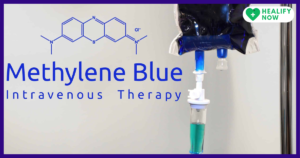
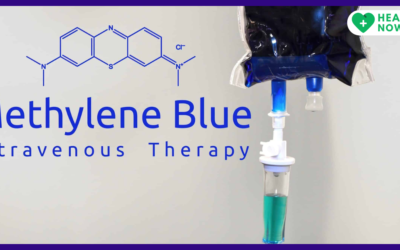
In its FDA-approved role, methylene blue is genuinely beneficial — even life-saving. For patients with acquired methemoglobinemia, it rapidly restores the blood’s ability to carry oxygen. For patients in vasoplegic shock, it can help stabilize blood pressure when standard treatments aren’t working. These uses are backed by clinical evidence, regulatory approval, and decades of hospital experience.
Less Clear: Wellness and Cognitive Claims
Outside the hospital, methylene blue is marketed for cognitive enhancement, energy, mood, skin health, and even longevity. Here, the evidence is much thinner:
- Mitochondrial research shows methylene blue can act as an alternative electron carrier in lab and animal studies — interesting science, but not proof of benefit in healthy people taking a supplement.
- Cognitive studies in humans have generally been small, short, and inconsistent. None have led to FDA approval for any cognitive indication.
- Anti-aging and skin claims are largely extrapolated from cell studies on oxidative stress, not validated in human trials for these specific outcomes.
This doesn’t mean the underlying science is fake — it means the leap from “interesting lab finding” to “proven daily benefit” hasn’t been made yet.
Where It Can Be Bad for You
- Drug interactions: As a potent MAOI, methylene blue can cause dangerous serotonin syndrome when combined with antidepressants and some other medications.
- G6PD deficiency: Can trigger serious hemolytic anemia in affected individuals.
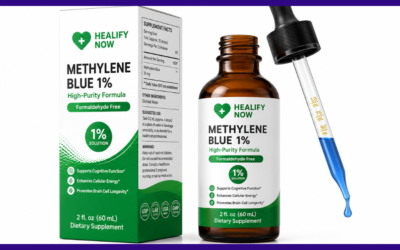
- Unregulated products: Wellness-market methylene blue isn’t standardized or FDA-approved for that use, so quality and dosing accuracy aren’t guaranteed.
- Pregnancy risk: Documented case reports of fetal harm make it inappropriate during pregnancy.
A Balanced Framework for Deciding
Ask yourself:
- Am I using this for an approved medical reason, under a doctor’s care? If yes, it can be genuinely good for you.
- Am I using this for an unproven wellness claim? If yes, understand you’re relying on preliminary science, not established human benefit.
- Do I have any risk factors — antidepressant use, G6PD deficiency, pregnancy, kidney/liver issues? If yes, the risk calculus shifts substantially, and medical guidance is essential.
Bottom Line
Methylene blue is good for you in the narrow, well-studied medical contexts it was designed for. Whether it’s “good for you” as a general wellness product is genuinely unsettled — the research is early, the products are unregulated, and the interaction risks are real. Treat enthusiastic online claims with the same skepticism you’d apply to any supplement trend that outpaces its evidence base.
Frequently Asked Questions
Does methylene blue have proven anti-aging benefits?
No large human trials currently support specific anti-aging claims; most evidence comes from cell and animal studies.
Is methylene blue an antioxidant?
It has redox (reduction-oxidation) activity that’s sometimes described this way, but its behavior is more nuanced than typical dietary antioxidants like vitamin C, and effects can vary by dose.
Can healthy people benefit from taking methylene blue?
This remains scientifically unresolved; there’s no strong human clinical evidence establishing meaningful benefits for healthy individuals without a medical indication.
Is it better to get benefits from food or established supplements instead?
For general wellness goals like energy and cognition, better-studied options (discussed with a healthcare provider) may offer a more established evidence base.
Should I ask my doctor before deciding if methylene blue is right for me?
Yes, especially given its interaction profile, a doctor can help you weigh personal risk factors against any potential benefit.
Authoritative Sources
- National Institutes of Health, Office of Dietary Supplements: https://ods.od.nih.gov
- National Center for Biotechnology Information (PubMed): https://pubmed.ncbi.nlm.nih.gov
- U.S. Food and Drug Administration: https://www.fda.gov